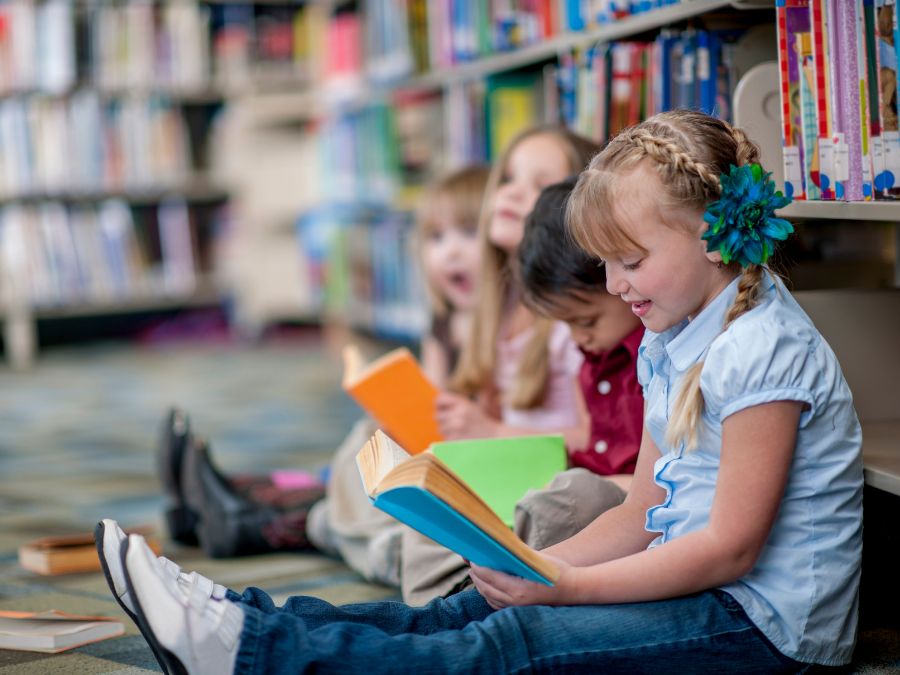
Public libraries: Local, safe, and free sources of positive childhood experiences
To ensure equitable access to PCEs for all children and families, we need to advocate for public funding for local community resources like public libraries.

To ensure equitable access to PCEs for all children and families, we need to advocate for public funding for local community resources like public libraries.
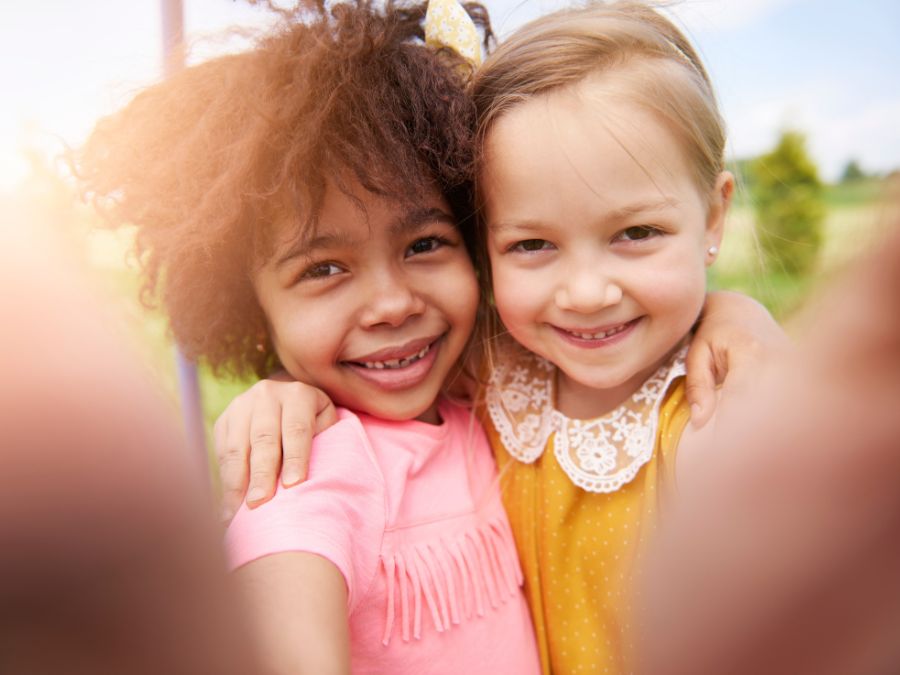
While most adults have positive childhood experiences, people with gender and racial identities experiences them at a lower rate, according to a new HOPE study.
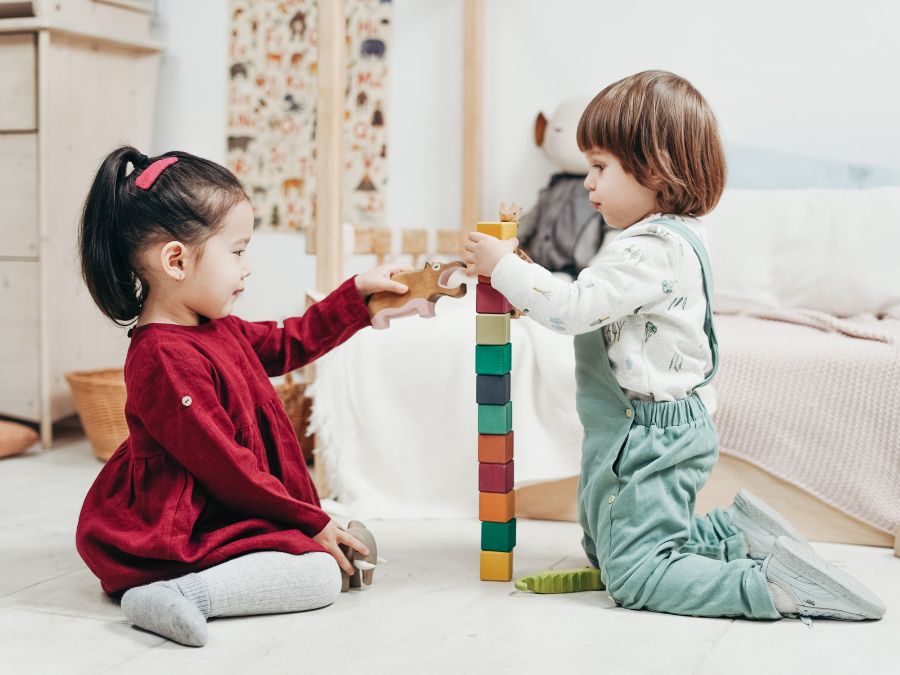
HOPE is an impactful framework that can be used on its own and alongside other models like strength-based and trauma-informed care approaches.
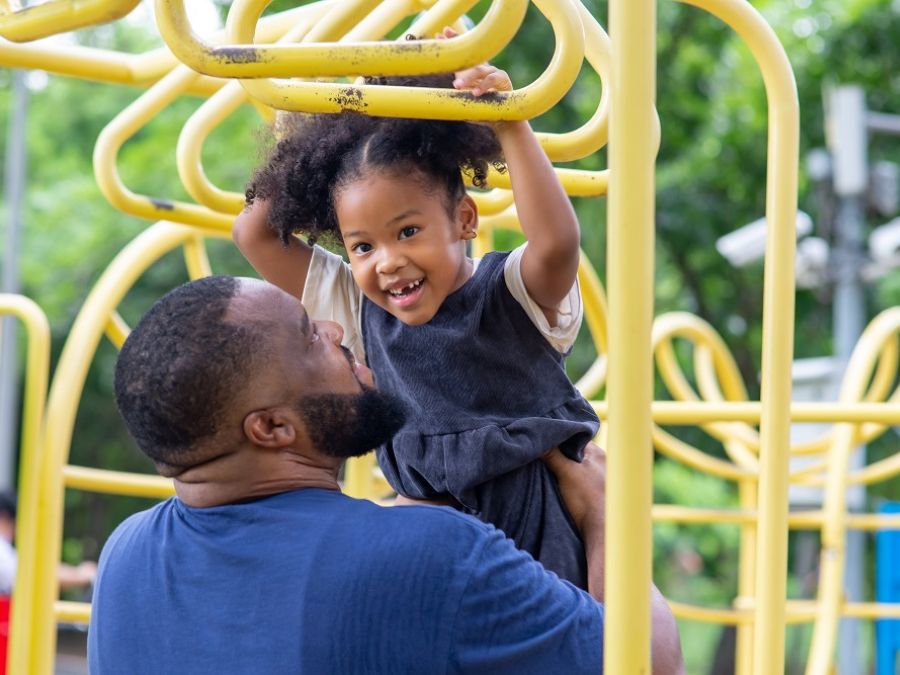
The HOPE framework encourages professionals to seek out strengths and note the resiliency in families who are often faced with racism.
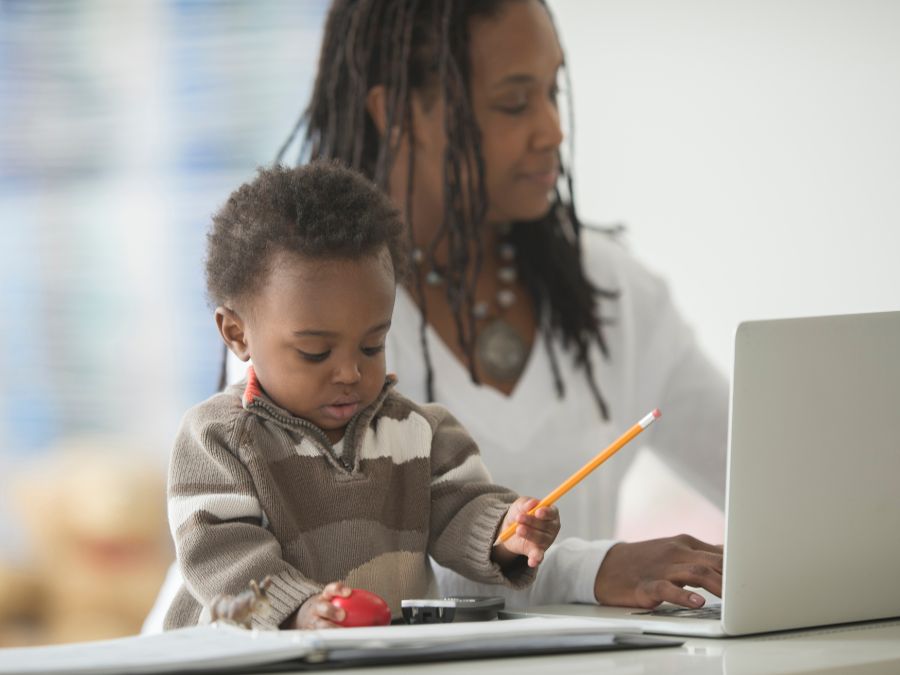
New research shows that the more childcare disruptions parents experienced during the pandemic the more stress they experienced.

It has been a year full of strong partnerships, and a growing community, learn how HOPE has spread this year through partnership and collaboration.
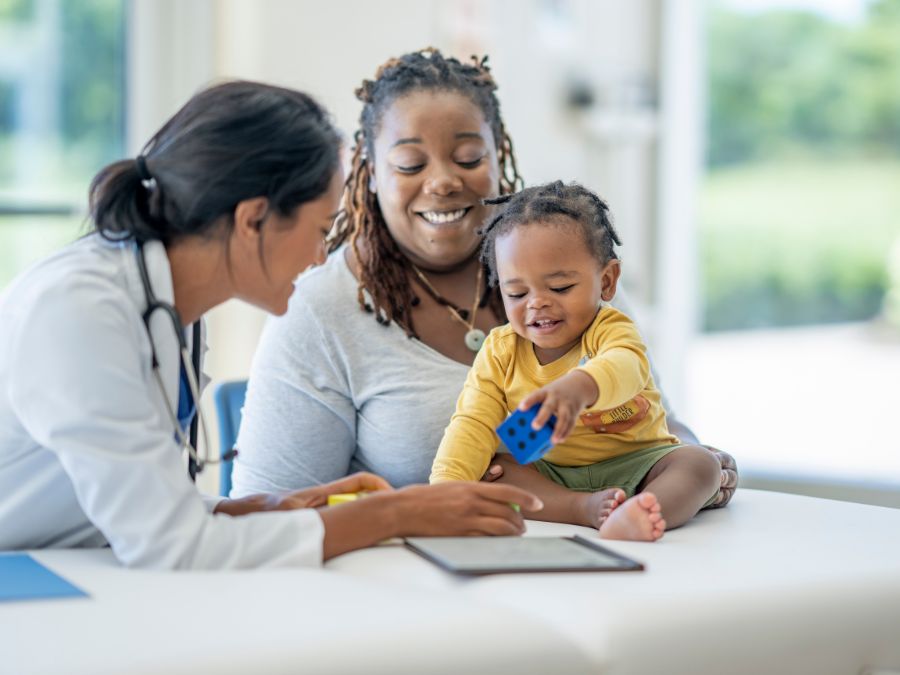
These simulation videos show how the HOPE Framework helps children, youth, and families feel seen, heard, and empowered to be leader in their own care.
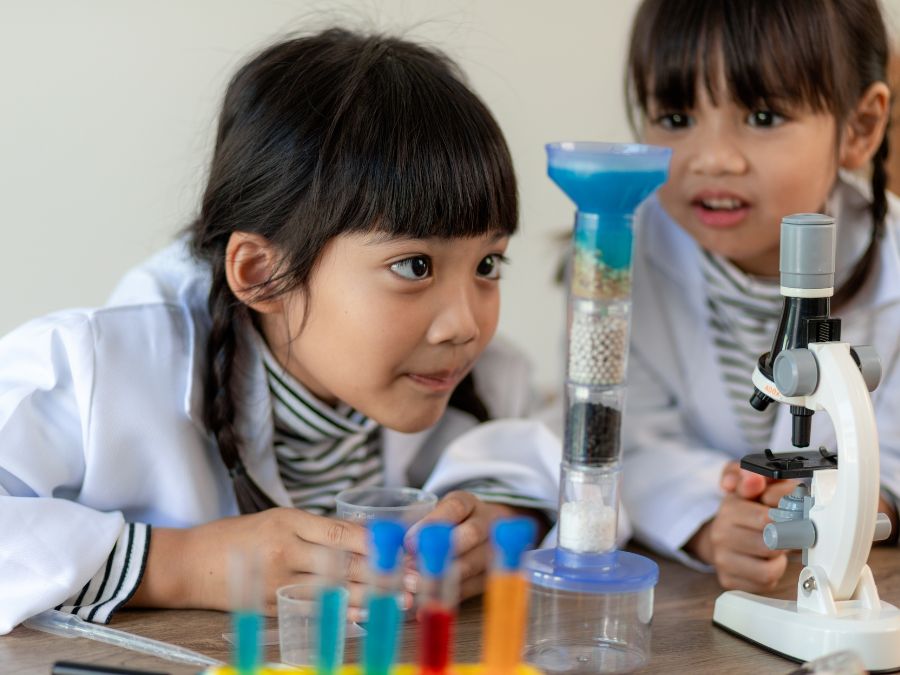
Growing evidence supports the key role of positive childhood experiences in adult health, including lessening the effects of Adverse Childhood Experiences.
In this interview Aimee Zeitz shares the strengths, barriers, and successes to her HOPE implementation at the YMCA in San Diego.
Today, we are talking to Jennifer Jones, Chief Strategy Officer at Prevent Child Abuse America. Here, she shares why prevention is important for the well-being of children and families and how HOPE supports that work.